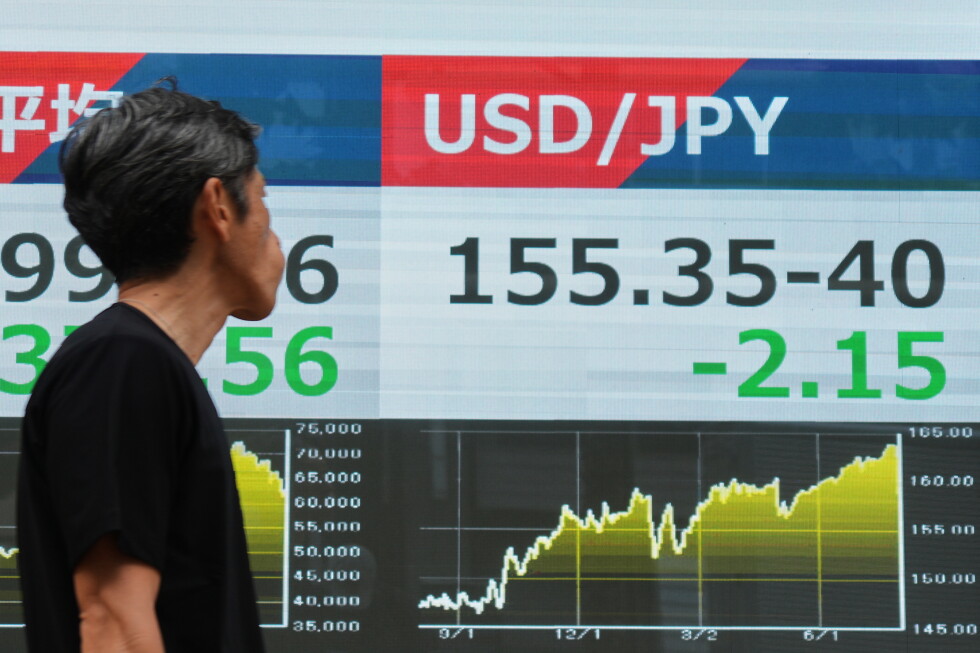
A wave of panic is sweeping through the artificial intelligence sector as investors aggressively dump chip stocks, sending markets into a tailspin. The fallout has been particularly severe in South Korea, where semiconductor giants SK Hynix and Samsung Electronics both plummeted by more than ten percent on Tuesday. This collapse dragged the Kospi share index down by eleven and a half percent, marking its lowest point since mid April and signaling a sharp cooling of the previous AI euphoria.
Much of the anxiety stems from reports that China is rapidly closing the gap in high end hardware production. A recent report indicating that China has begun mass producing its own deep ultraviolet chip making tools has spooked global traders who fear the competitive edge held by Western and South Korean leaders is eroding. This sentiment was further amplified by the explosive debut of Chinese memory chip maker CXMT, which saw its shares surge four hundred sixty six percent upon floating on the Shanghai stock exchange, highlighting Beijing’s aggressive push for technological independence.
Beyond geopolitical tensions, there are growing fears regarding how these massive projects are being financed. Investors are becoming increasingly wary of circular funding patterns within the industry, where AI firms essentially finance one another to build out sprawling data centers. News recently surfaced that Nvidia had entered discussions with OpenAI to provide two hundred fifty billion dollars for a project in Ohio, but rather than boosting confidence, the announcement triggered a sell off. Nvidia shares dropped five percent and dipped below the two hundred dollar mark as analysts noted a spike in credit default swaps, suggesting some believe it may be too early to buy back into the dip.
While some experts argue that this volatility is largely a knee jerk reaction and an overcorrection by nervous traders, others warn that it reflects a fundamental shift in risk perception. The combination of immense corporate borrowing and rising international competition suggests that the era of blind faith in AI growth may be transitioning into a period of much stricter scrutiny over actual returns on investment.