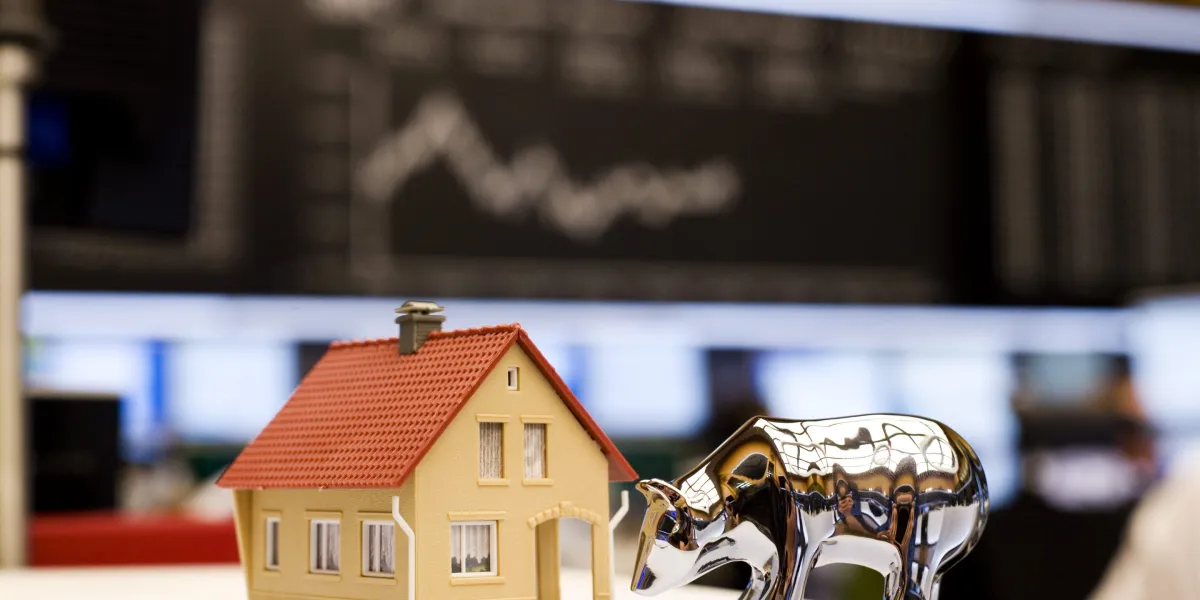
For generations, the quintessential American Dream was defined by a starter home and a white picket fence, serving as both a sanctuary and a primary engine for building lifelong wealth. However, that dream has drifted out of reach for many Gen Z and Millennial adults as home prices have surged 235 percent since the turn of the millennium. With the average age of a first time homebuyer climbing to 40 in 2025, younger generations are rewriting the rules of financial stability, pivoting away from real estate and pouring their capital into the stock market instead.
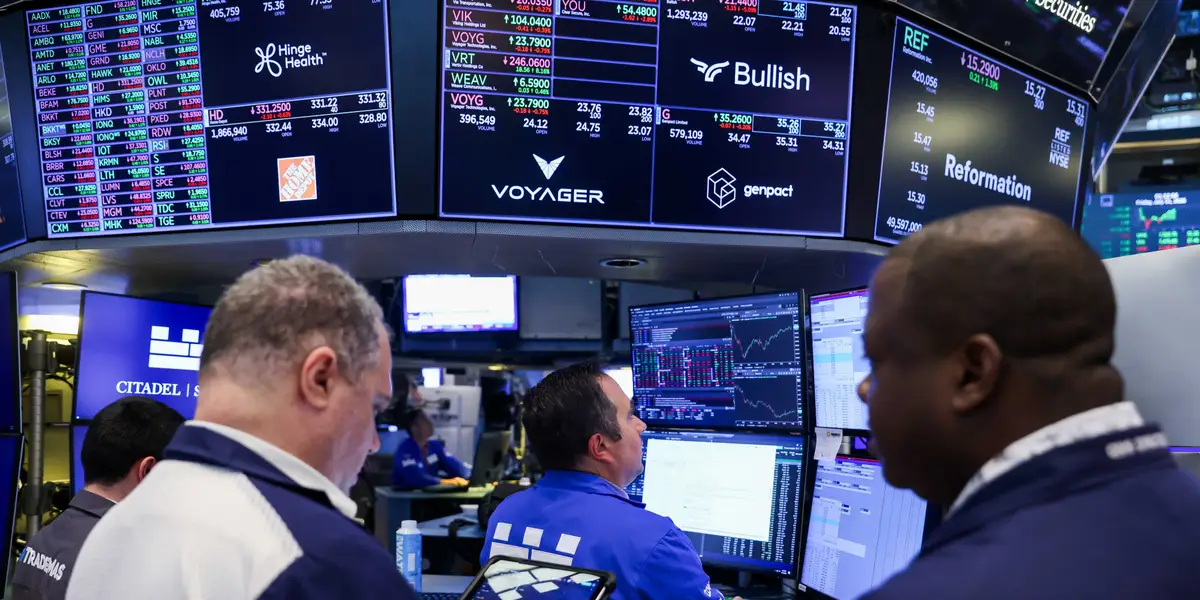
This strategic shift has resulted in a staggering accumulation of wealth, with Americans under 40 now holding approximately 3.1 trillion dollars in stock market assets. This figure represents a massive increase since the pandemic and signals a fundamental change in how young people view their balance sheets. Rather than letting potential down payments sit idle in low yield savings accounts, these investors are using brokerage accounts as flexible vehicles that could eventually be converted into home equity if and when the housing market becomes affordable again.
The data suggests this isn’t just a preference but a necessity born of desperation. Nearly a third of Gen Z adults admit they have postponed buying a home due to financial pressure, while many Millennials find themselves forced to choose between saving for retirement and attempting to enter the housing market. Consequently, equities now make up 27 percent of the net worth for households under 40, a sharp rise from just 9 percent back in 1989. Young investors are also entering the market earlier than ever, with some members of Gen Z beginning their investment journeys at age 19.
While this pivot provides liquidity and diversification that traditional real estate cannot offer, experts warn it comes with its own set of psychological and financial risks. Unlike a mortgage, which forces a disciplined monthly contribution toward equity, brokerage accounts rely on discretionary deposits that require more self discipline. Furthermore, some analysts worry that those feeling priced out of everything else may lean toward volatile meme stocks or cryptocurrency in hopes of finding a shortcut to wealth, trading long term stability for high risk gambles in an increasingly expensive world.