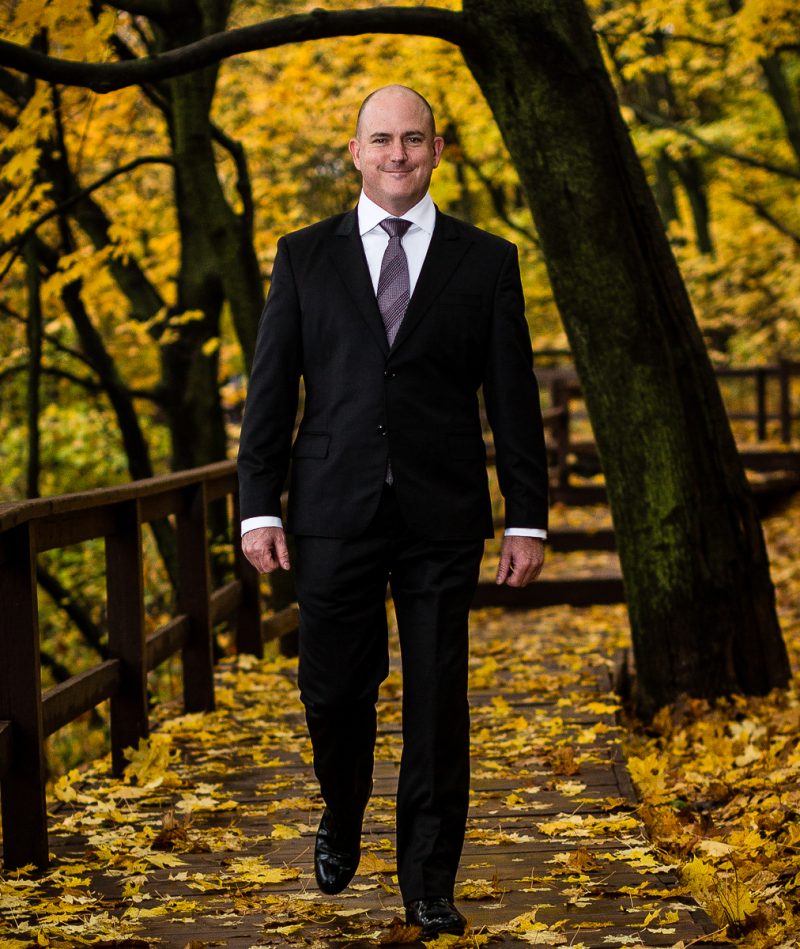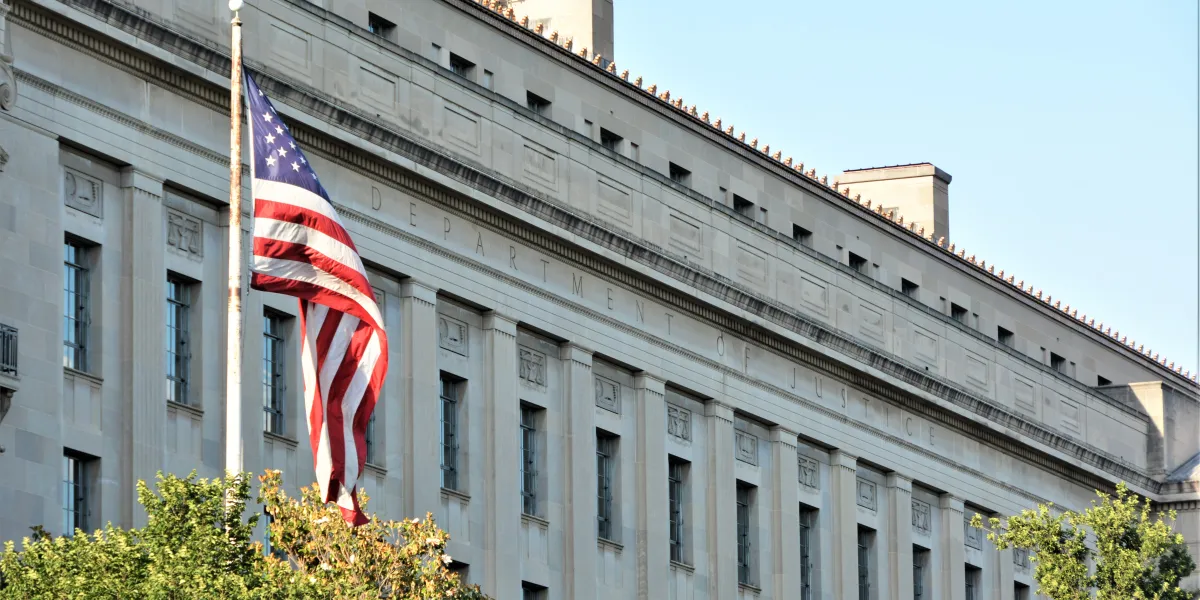
Federal prosecutors have unveiled a scathing indictment against Taj Tarsha, the founder of the crypto startup Few and Far, alleging he orchestrated a ten million dollar fraud scheme during the height of the NFT craze. According to the Department of Justice, Tarsha lured dozens of investors with promises of a decentralized marketplace on the NEAR blockchain and a proprietary token boasting astronomical projected returns. Instead of developing the promised technology, officials say Tarsha treated the investment pool as a personal piggy bank to fund a lavish lifestyle.
The details laid out in the court documents paint a picture of extreme greed and indifference toward those who trusted him with their capital. Prosecutors allege that Tarsha used the stolen funds to purchase a luxury condominium in Miami, complete with high end interior design services, and to finance his passion for DJing. He reportedly diverted hundreds of thousands of dollars into online casinos and awarded himself massive company bonuses and a six figure salary despite knowing that his business was generating virtually no revenue.
Perhaps most damning are internal communications cited by investigators, suggesting that Tarsha viewed his own venture as little more than a final payout. Before launching Few and Far, he allegedly referred to the project as the last bit of juice he had left to squeeze and described it as a magic ticket to a multi million dollar exit. While investors believed they were funding the future of digital art and ownership, Tarsha appears to have been planning his getaway from the start.
This legal battle serves as another grim reminder of the volatility and lack of oversight that defined the NFT bubble. At its peak, celebrity endorsements drove billions into digital assets, but many projects vanished overnight once the hype evaporated. In the case of Few and Far, any actual product arrived far too late; when the FAR token finally debuted years after its inception, its value plummeted almost instantly to near zero. If convicted on charges of securities and wire fraud, Tarsha faces substantial prison time and may be forced to forfeit every asset acquired through the scheme.