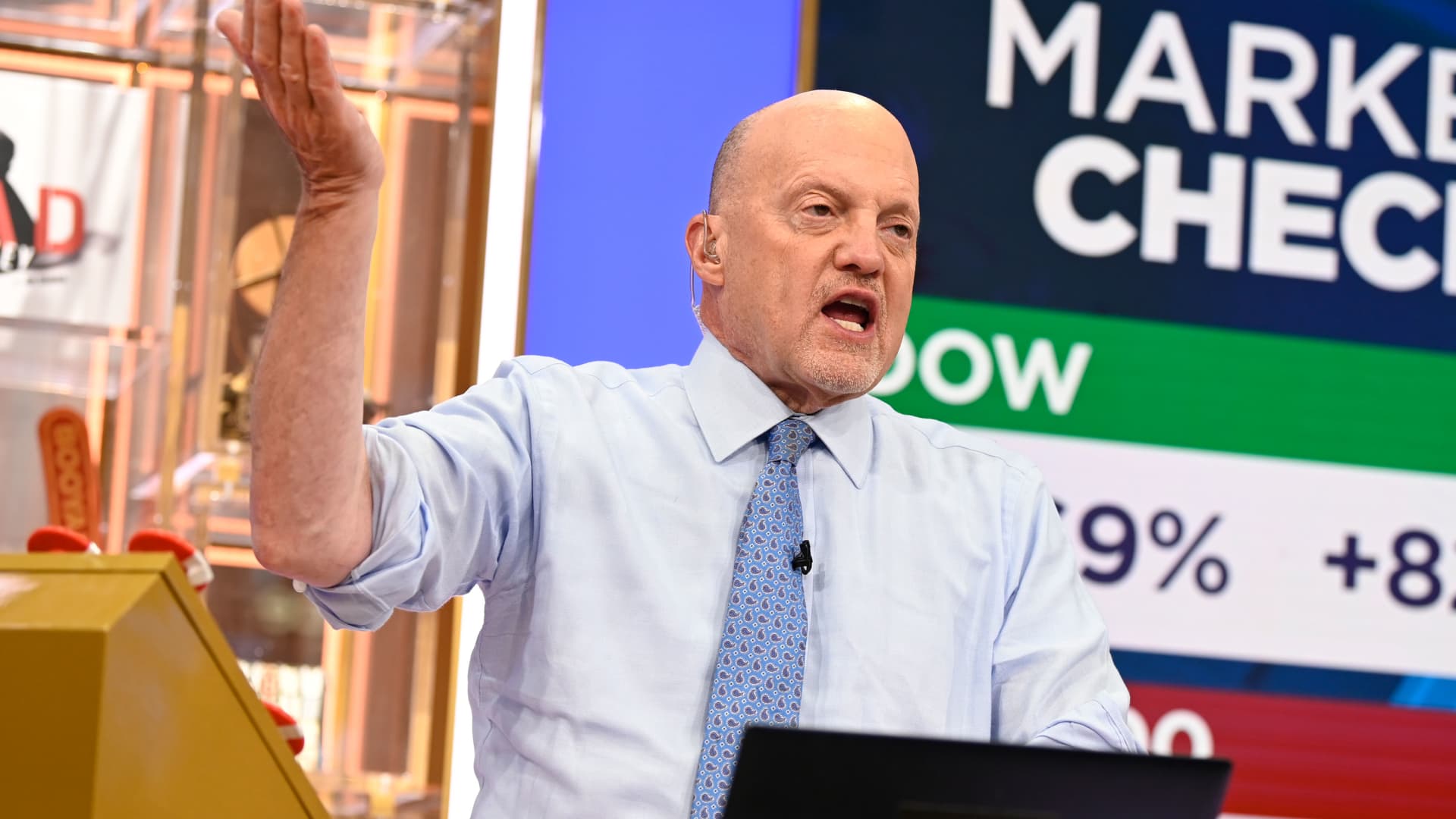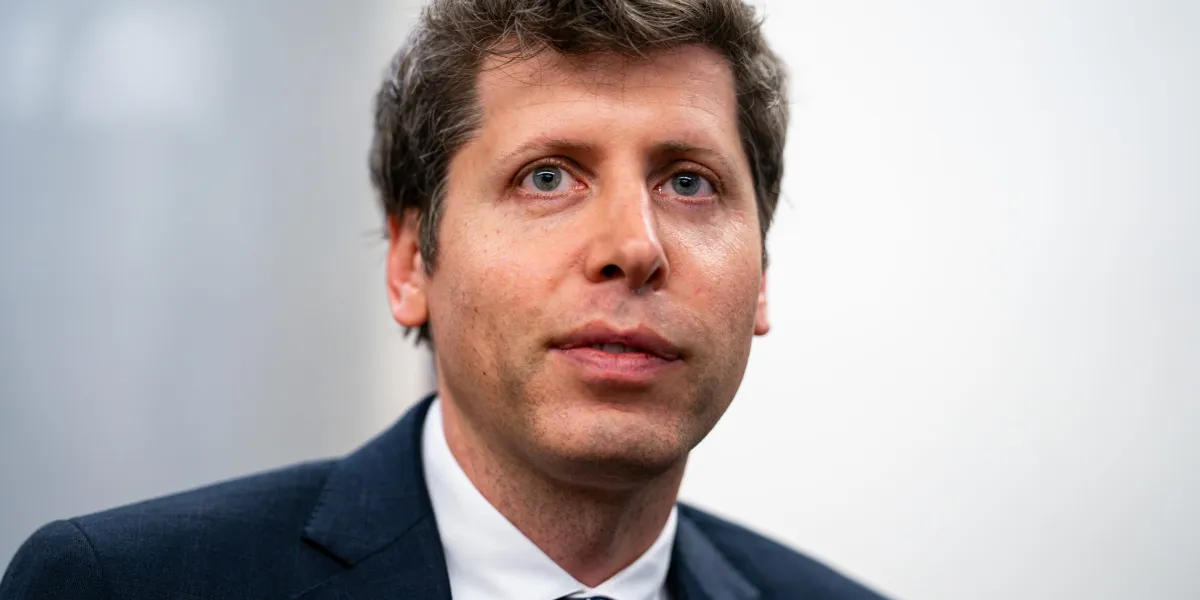
FIFA President Gianni Infantino is facing a mounting crisis within the global soccer community after a controversial plan to privatize parts of the World Cup sparked a wave of high level resignations and diplomatic friction. The tension reached a breaking point on Friday when Carlos Cordeiro, a senior adviser and former Goldman Sachs banker who served as Infantino’s key link to the White House, resigned in protest. Cordeiro described the proposed twenty billion dollar commercial subsidiary as a bad deal for football, admitting he was kept in the dark about the secretive arrangement before deciding he could no longer stand by while the organization considered selling a stake in its flagship tournament.
The turmoil centers on the creation of the FIFA Forward Enterprise, a move designed to spin off commercial operations into a separate entity partially owned by private investors. At the heart of the controversy is the involvement of a New York investment firm founded by Joshua Kushner, whose brother is Jared Kushner. This revelation has ignited fears regarding transparency and corporate influence over the sport’s most prestigious event. Critics find the push for outside capital baffling given that FIFA is currently celebrating the financial windfall from one of the most profitable World Cups in history, recently concluded across North America with Spain defeating Argentina in New Jersey.
Resistance to the plan has now become nearly universal among soccer’s major regional powers. The Asian Football Confederation announced its deep concern on Friday, joining UEFA and CONCACAF in standing against the proposal. These governing bodies have slammed FIFA for a lack of due process and criticized what they describe as an artificially short deadline for approval without proper oversight from existing governance boards. Together, these three powerhouses represent a massive bloc of opposition that leaves Infantino increasingly isolated despite his attempts to steer the project forward.
Despite the internal collapse and external condemnation, FIFA leadership remains defiant. In a statement released early Friday, officials blamed incorrect media reports for disrupting their consultation process and insisted that nobody is actually selling football. They vowed to continue pushing through with consultations to ensure member nations can vote based on facts rather than press coverage. However, with his own inner circle fracturing and most world regions united against him, Infantino faces an uphill battle to justify why such an aggressive pivot toward privatization is necessary at all.