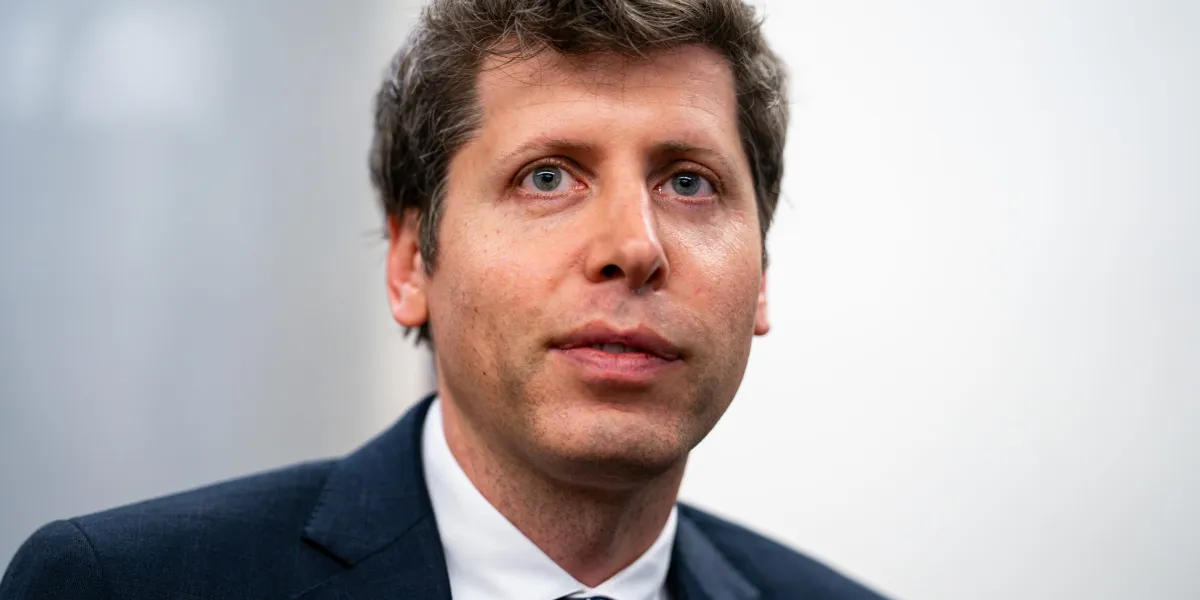
In the high-flying world of AI investing, sometimes you get the bull and sometimes you get the horns. Leopold Aschenbrenner, the 24-year-old former OpenAI employee once dubbed the “Nostradamus of AI,” found out last week just how quickly fortunes can reverse. His hedge fund, Situational Awareness, named after his widely circulated 165-page research paper, had grown from a few hundred million dollars to a staggering $45 billion in assets under management in less than two years. At one point in 2026, the fund was up an astonishing 1,000% after fees since inception. Then the wheels came off in near-record time, Citadel stepped in to scoop up most of his public book, and the market actually rallied in response. Aschenbrenner was left watching from the sidelines as the very stocks he had championed surged without him.
So how did this happen? The answer offers a textbook set of lessons that everyday investors would do well to absorb. The first is painfully simple: leverage cuts both ways. Aschenbrenner’s fund borrowed heavily to amplify its positions while shorting stocks it viewed as AI laggards, a strategy that works beautifully when AI stocks are rising but becomes catastrophic when they hit turbulence. Once losses started mounting, banks issued margin calls, rivals began betting against his top holdings, and the problems compounded rapidly — which is what happens when you lever yourself to the gills.
The second lesson is one every financial advisor preaches from day one: diversification matters. Aschenbrenner violated the cardinal rule by concentrating heavily in too few positions, something that tends to happen when an investor is utterly convinced they are right about a thesis. That overconfidence leads directly into the third hard truth, best summarized by my colleague Ali Barr: the market doesn’t care how smart you are. It’s entirely possible Aschenbrenner’s overall investment thesis was correct — his original paper predicted many trends still playing out today — but he ran into the unfortunate reality that markets can stay irrational longer than you can stay solvent. You can be right and still lose everything.
As for Aschenbrenner himself, don’t shed too many tears. While he reportedly shopped his private book around in the days leading up to the meltdown, he held onto those assets and remains invested in Anthropic, a company last valued at nearly $1 trillion. He also got married this past weekend to the chief of staff for Anthropic’s CEO. Meanwhile, Citadel and other tech investors who scooped up his discarded positions enjoyed an eye-popping rally in AI-linked stocks immediately afterward, signaling that Wall Street views this implosion as user error rather than any systemic problem with the AI trade itself. The whiz kid flew too close to the sun, but artificial intelligence as an investment theme rolls on without him.