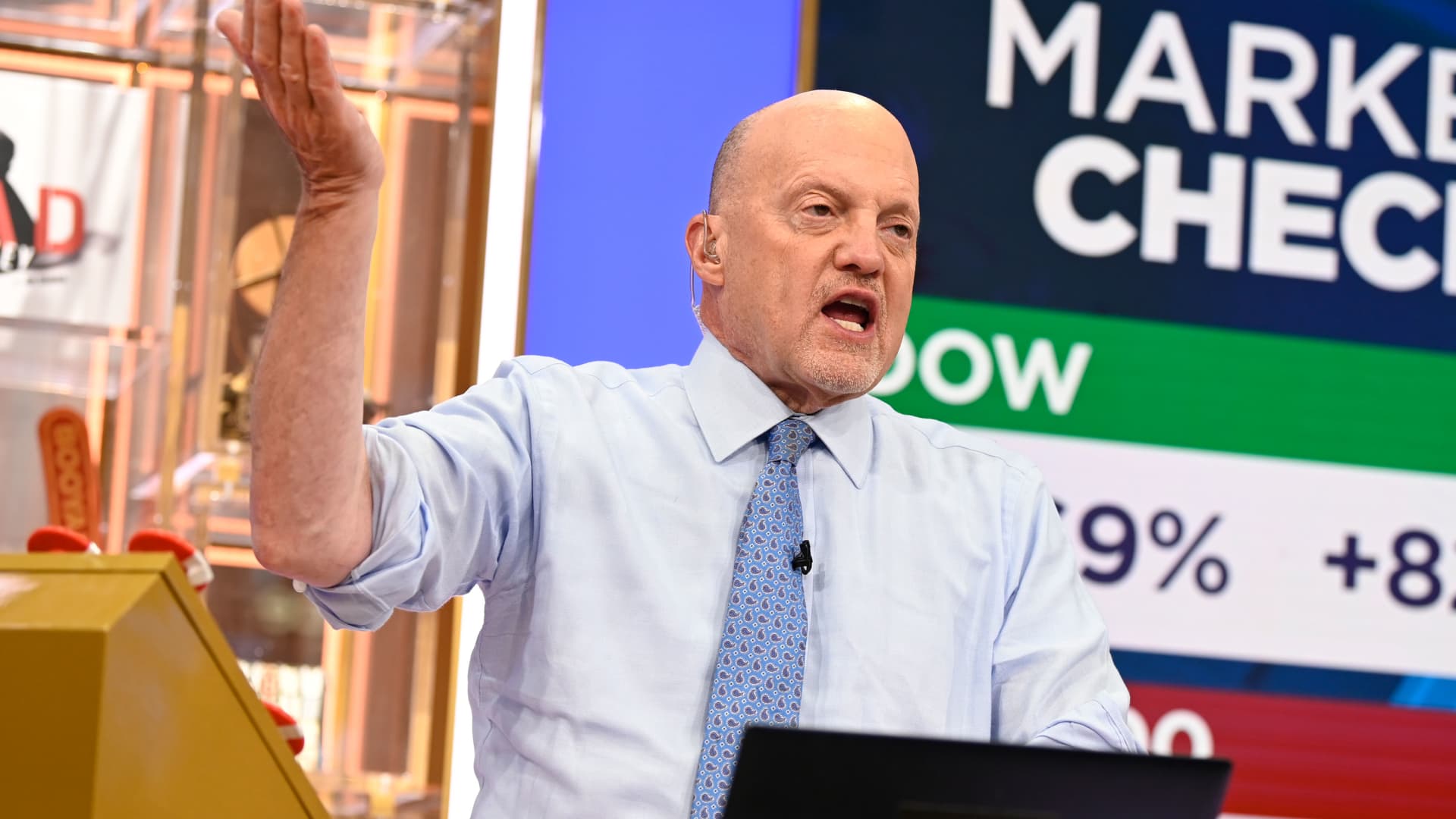
A prominent market strategist is sounding the alarm on the increasingly crowded semiconductor and artificial intelligence trade, warning that investors may be underestimating the risks building beneath one of the year’s hottest market segments. Speaking on a nationally televised business program this week, the analyst urged viewers to take a more measured approach to a sector that has drawn massive inflows from both institutional and retail investors chasing outsized returns.
The surge in chip stocks tied to AI infrastructure buildout has produced staggering gains over recent quarters, with several household-name semiconductor companies seeing their valuations climb to levels that some veterans consider difficult to justify based on current earnings. While demand for advanced processors remains strong, the expert noted that supply is ramping up quickly across the industry, which could pressure pricing power sooner than many buyers expect.
Beyond valuation concerns, there are growing questions about whether the revenue projections being priced into these stocks fully account for potential headwinds such as export restrictions, geopolitical friction involving key Asian manufacturing hubs, and the possibility that enterprise AI spending could moderate as companies reassess their return on investment. Any disruption in these areas could trigger a sharp repricing in shares that have become heavily owned by momentum-following funds.
The strategist stopped short of calling for an outright collapse but emphasized that position sizing and risk management matter now more than at any point since the AI rally began. Investors with concentrated exposure may want to consider trimming or hedging rather than adding aggressively at current levels.
For those still looking to participate in the long-term AI transformation, diversification across different parts of the value chain including software, data centers, and power infrastructure was suggested as a wiser path than betting primarily on the chipmakers themselves.