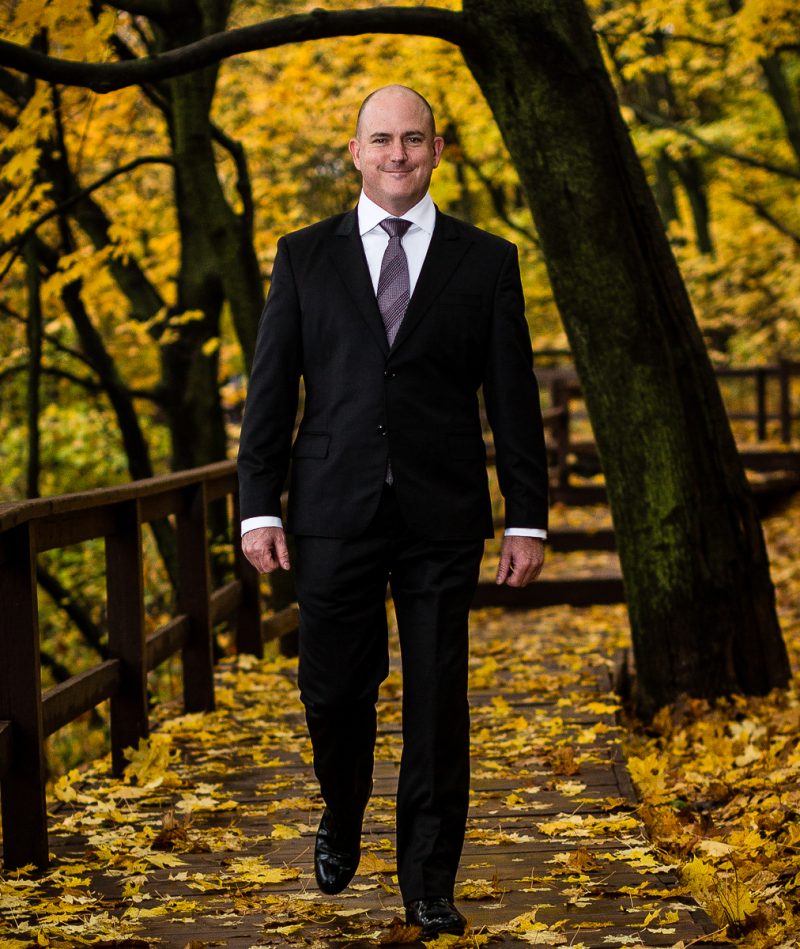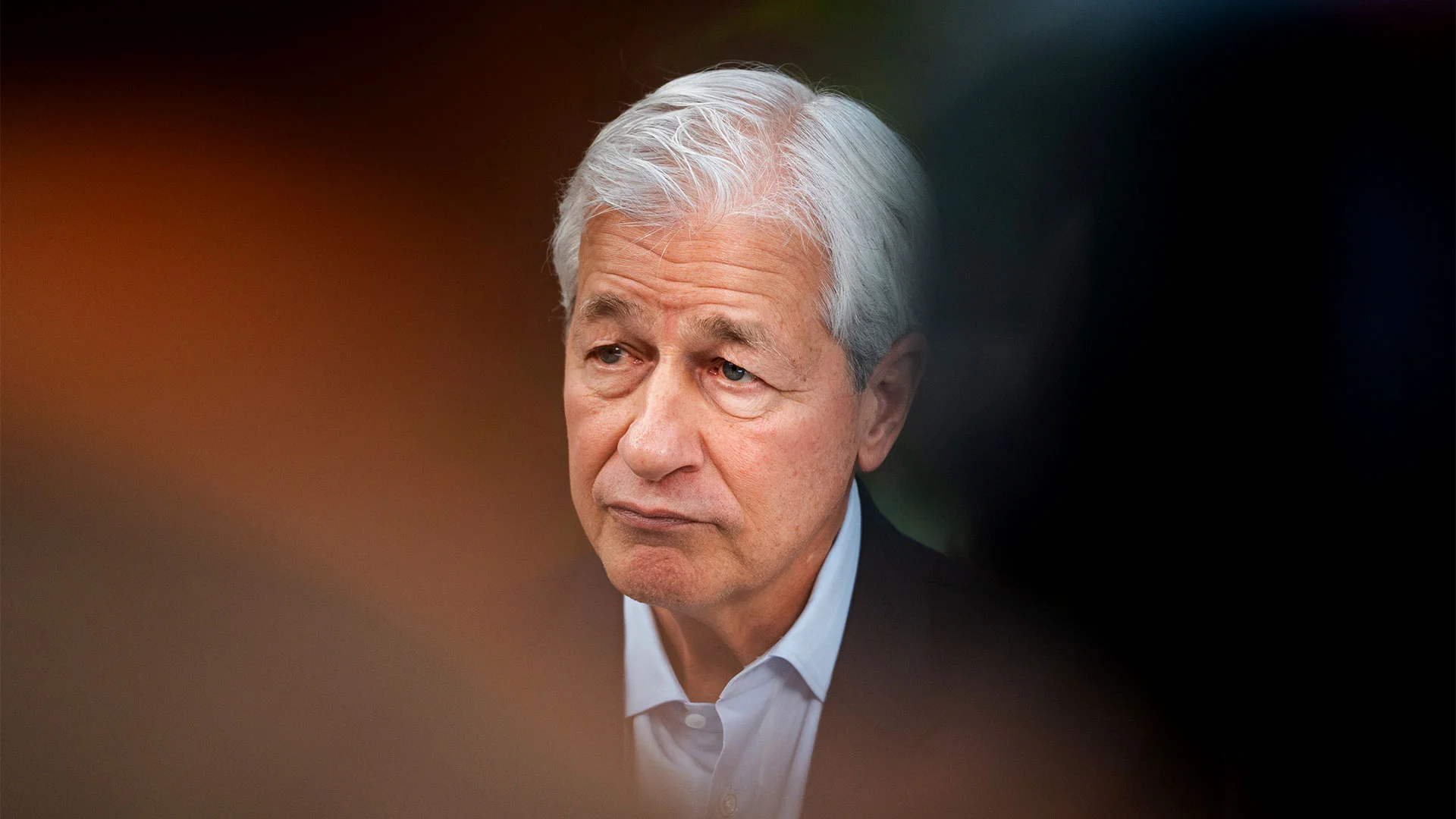
Jamie Dimon has steered JPMorgan Chase as chief executive for two decades, building it into the largest bank in the world by market capitalization. But the instincts that made him one of the most powerful figures in global finance were sharpened long before he ever set foot on Wall Street or walked through the doors of Harvard Business School. They were honed at his family’s kitchen table, in a game far more demanding than Monopoly.
Speaking recently on The Master Investor Podcast with Wilfred Frost, Dimon recalled how his father, a stockbroker by trade, nurtured an early fascination with finance by handing him annual reports and challenging him to figure out what companies were actually worth. His father would pick an industry Dimon might relate to, something approachable like a restaurant chain, and tell him to dig into the history, pore over the financials, study the broader industry landscape, and then come back with an answer to a deceptively simple question: What would you pay for this stock?
Dimon described the exercise as brutally hard, and said it taught him what he calls “the why” behind investing. His estimates would routinely miss the mark, sometimes wildly, because the real value of a business is shaped by forces that do not show up cleanly on a balance sheet. The accounting might be misleading, the management might be incompetent, or there could be intangible reasons investors simply refuse to pay up for a stock no matter how promising it looks on paper. Even today, after decades of running the biggest bank on the planet, Dimon says attempting that same exercise would still humble him.
The lessons did not stay theoretical for long. Dimon bought his first stock at fourteen years old in 1972, which meant he was barely into his teens when he lived through his first market collapse. Over the following two years, the market plunged by roughly forty-five percent, and the carnage left a lasting impression. Speaking last year on the Acquired podcast, Dimon remembered watching the fallout sweep through New York, with limousines disappearing from the streets of Manhattan and restaurants shuttering one after another. Markets move violently, he learned firsthand, and surviving that turbulence is what separates speculators from real investors.