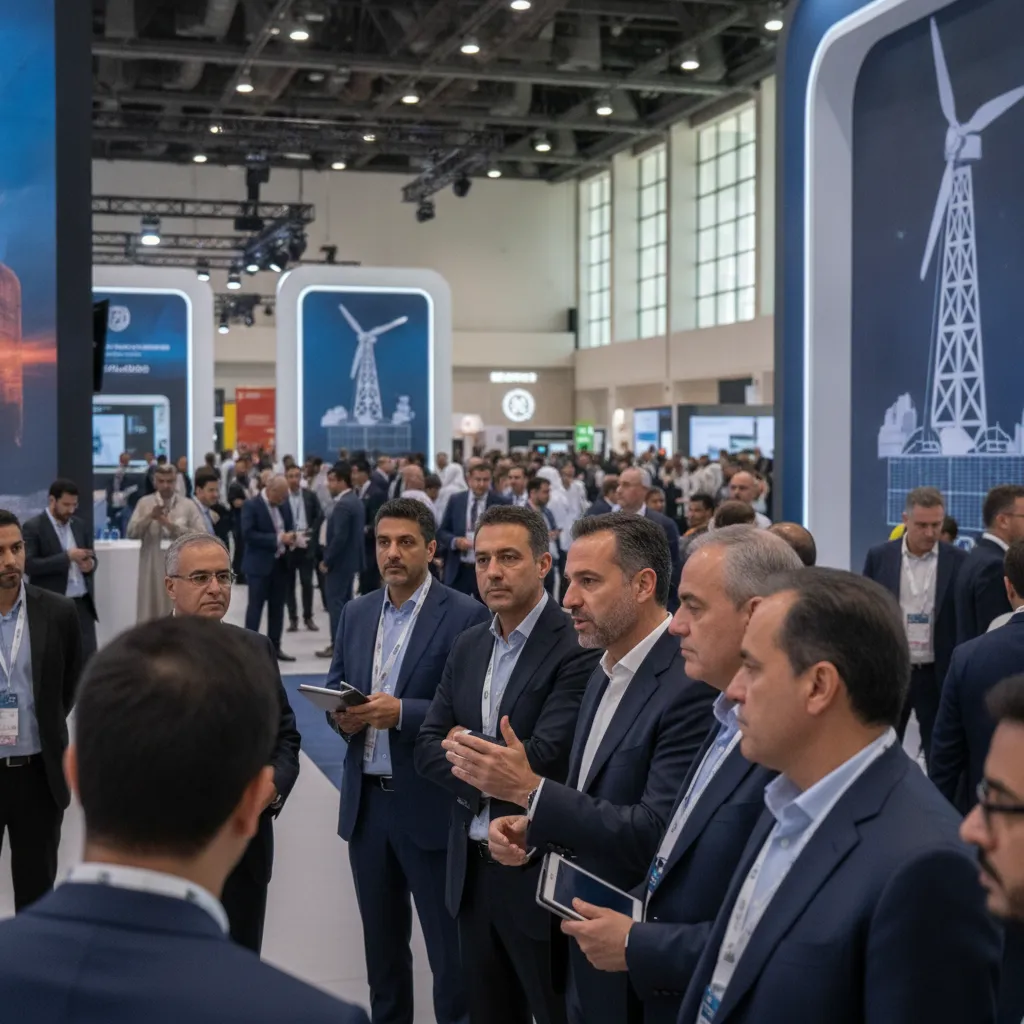
Industry leaders gathered at the ADIPEC energy conference in Abu Dhabi this week to debate whether the world is entering a prolonged era of rising energy needs. Lorenzo Simonelli, the chief executive of Baker Hughes, believes the sector is staring down a demand decade driven by rapid population growth in developing nations and the massive electrical requirements of artificial intelligence. He suggests that these forces will inevitably push capital investments upward as new infrastructure becomes essential to keep pace with global consumption.
Despite this optimism, other executives warned that translating high demand into actual profit remains a complex gamble. Markus Krebber of RWE pointed out that while electrification and computing are fueling a surge in power needs, the current financial climate is fraught with difficulty. Higher interest rates, fragile supply chains, and persistent geopolitical instability have created a paradox where immense opportunities exist alongside a punishingly challenging environment for making long term bets.
BP chief executive Meg O’Neill echoed these cautious sentiments, noting that energy projects often take years to build and decades to play out. She emphasized the danger of relying on volatile price forecasts and argued that companies must prepare their business models for a potentially lower price environment. This caution is reinforced by analysts like Richard Bronze of Energy Aspects, who warns that if Middle Eastern supplies stabilize, the market could actually slide into oversupply by 2027 or 2028.
Beyond simple numbers, there is a growing consensus that the physical nature of energy delivery must change to survive modern crises. Recent conflicts in the Middle East have exposed critical vulnerabilities in how fuel moves across the globe. Leaders from both Baker Hughes and Schneider Electric agreed that resilience is now just as important as capacity, calling for more strategic storage and expanded pipeline networks to eliminate dangerous choke points and ensure stability during future shocks.