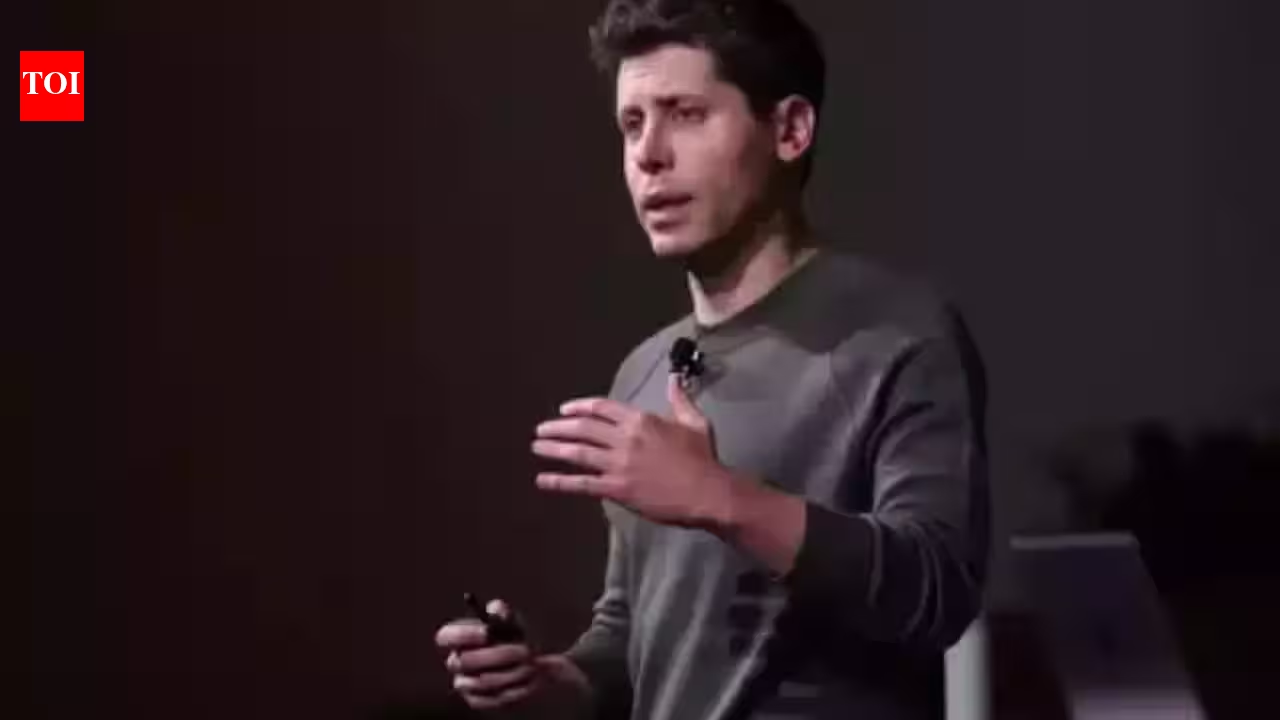
Sam Altman, the CEO of OpenAI, has long been surrounded by some of Silicon Valley’s sharpest minds, and he says the most valuable lesson he absorbed from figures like Paul Graham and Peter Thiel was one that runs counter to almost every instinct investors follow. Speaking on the Invest Like The Best podcast, Altman reflected on the unconventional wisdom he picked up from the two legendary founders and investors, noting that the truly extraordinary opportunities rarely look appealing when they first appear. The very best companies and investment opportunities are almost never the ones that look popular at the time, he explained, suggesting that following trends can produce respectable returns but will almost never lead to spectacular success.
Altman argued that decent results can come from spotting trends early and riding the wave, but the outsized wins require a willingness to back ideas that seem uncomfortable or contrarian in the moment. You can do okay just following the trend and being a little early, he said, but to do spectacularly well, you kind of almost always have to do things that are not what everybody else is doing. It is a philosophy that clearly shaped his own trajectory, from his time leading Y Combinator to building OpenAI into one of the most consequential technology companies in the world.
Graham, who cofounded Y Combinator and helped mentor Altman during his early years in the startup ecosystem, also taught him that investing in startups is less about delivering lectures from afar and more about sitting beside founders like a flight instructor. Founders need someone alongside them pointing out mistakes and helping direct their energy, Altman said, rather than someone offering abstract advice from a comfortable distance. The hands-on approach, he suggested, is what separates good incubators from great ones.
Altman also drew parallels between early-stage fundraising and the frantic scramble OpenAI faced when it realized how quickly GPT-4 was improving. The company urgently reached out to cloud providers, chip manufacturers, and energy firms looking for computing resources. Most turned him down, but a few said yes, which Altman said felt exactly like raising money for a startup. Most people tell you no, he noted, but all you need is one or two yeses.